Buggy: A Bold and Retro Display Font for Creative Projects
Opening a fresh brand board one afternoon, I found myself drawn to the challenge of crafting a visual identity that felt both nostalgic and modern. As I began sketching out a logo concept for a boutique skincare line, I knew I needed a typeface that could capture that delicate balance—something with character but not too much flair. That’s when I stumbled upon Buggy, a bold and retro styled display font that immediately caught my eye.
A Stylish Typeface with Personality
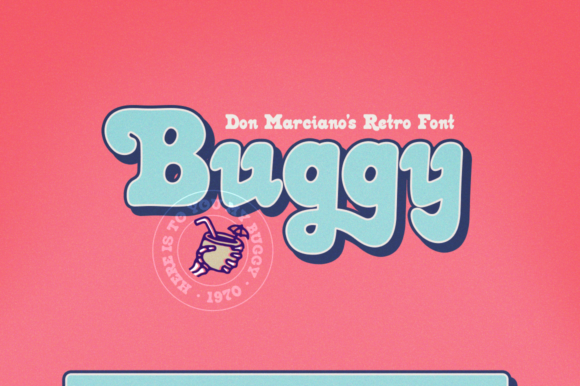
Buggy is exactly what it sounds like—a display font with a retro vibe that feels just right for creative projects. Its design has a certain playfulness to it, with clean lines and slightly exaggerated curves that give it an unmistakable personality. It’s not overly ornate or fussy, which makes it versatile enough to work in a variety of contexts without feeling forced.
The retro influence is subtle but present, with hints of vintage typography that evoke a sense of nostalgia. This makes Buggy especially well-suited for brands looking to communicate warmth, authenticity, and a touch of whimsy. Whether you're designing a logo, packaging, or social media graphics, Buggy adds a layer of charm that can elevate your design from ordinary to memorable.
Testing Buggy in Real Branding Scenarios
I put Buggy through its paces on several branding elements, including a logo draft, brand board, packaging mockup, business card, website header, and Instagram layout. In each case, the font performed admirably, offering a consistent look and feel across different mediums.
On a logo concept for the skincare brand, Buggy worked perfectly as the primary typeface. The boldness of the letters helped the name stand out while still maintaining a friendly and approachable tone. When paired with a minimalist sans serif font for supporting text, the contrast was balanced and professional.
For a packaging mockup, Buggy added a touch of character to the product label, making it feel more handcrafted and personal. It didn’t overpower the design, which is crucial when working with limited space and visual hierarchy. On a business card, it gave the contact information a unique edge without sacrificing readability.
When applied to a website header, Buggy made a strong first impression, drawing attention to the brand’s name and creating a lasting visual impact. It also worked well on an Instagram post, where its retro style complemented the overall aesthetic of the feed.
Where Buggy Shines and Where It Might Fall Short
Buggy excels as a display font, headline font, or accent font in branding projects. It’s best used for short phrases, logos, and decorative elements rather than long body text. While it’s visually appealing, using it for extended paragraphs could reduce readability, especially at smaller sizes.
If you’re working on a formal corporate identity or need a font that works well in dense blocks of text, Buggy might not be the best fit. However, for creative studios, small businesses, and independent creators, it’s an excellent choice for adding personality and flair to your designs.
It's important to test Buggy before committing it to final client work. Try it out in various sizes, weights, and color combinations to see how it behaves in different contexts. Also, consider checking the font’s licensing terms to ensure it meets your needs for commercial use, especially if you're planning to use it in print-on-demand products, templates, or digital assets.
Font Pairing and Practical Tips
Buggy pairs beautifully with a wide range of other fonts. For a classic look, I found that pairing it with a clean sans serif font like Helvetica or Arial created a great contrast. If you want something more elegant, a serif font like Georgia or Times New Roman can provide a nice balance.
For a more modern feel, combining Buggy with a minimalist script font can add a touch of sophistication. Just be careful not to overdo it—too many styles can make your design feel cluttered.
When using Buggy in your projects, always consider the context and audience. It works well for creative and lifestyle brands but may not be suitable for more formal or technical industries. Keep this in mind when selecting the right font for your next project.
Finally, don’t forget to review the included styles, alternates, ligatures, and file formats to ensure Buggy fits your specific needs. Whether you're working on a web design, editorial piece, or packaging project, Buggy offers a unique and stylish option that can help bring your brand to life.